

The Symbolism of Shadows in Betrayal: Exploring Symbolic Shadows in Literature

Betrayal rarely reveals itself openly. It lingers beneath the surface of trust, hidden behind secrets, concealed motives, and carefully crafted deception. In literature, few symbols capture this uncertainty more effectively than shadows. More than the absence of light, shadows often represent hidden truths, forbidden knowledge, and the darker aspects of human nature.
Throughout fantasy fiction, shadows carry a powerful symbolic weight. They cloak villains, conceal dangerous ambitions, and serve as reminders that appearances can be deceiving. When loyalty begins to fracture and trust starts to erode, shadows become the perfect metaphor for the unseen forces at work.
From ancient prophecies and political intrigue to personal betrayals that reshape entire kingdoms, authors have long used shadows to explore themes of deception, secrecy, and moral conflict. By examining symbolic shadows in literature, we gain a deeper understanding of how betrayal unfolds and why these moments resonate so strongly with readers.
Let’s explore how shadows enhance stories of betrayal and why they remain one of fantasy literature’s most enduring symbols.
What Are Symbolic Shadows in Literature?
In literature, shadows are far more than the absence of light. They serve as powerful symbols that convey meaning beyond what is immediately visible, allowing authors to explore themes that characters may be unwilling—or unable—to express openly.
Shadows are often used to represent:
Hidden truths and concealed secrets
Fear and uncertainty
The duality of human nature
Deception, corruption, and moral conflict
Because shadows obscure what lies beneath them, they naturally create a sense of mystery. They hint at dangers that have yet to reveal themselves and suggest that not everything is as it appears. Throughout literature, authors frequently use shadow imagery to foreshadow important revelations, hidden motives, or acts of betrayal that will alter the course of the story.
In fantasy fiction, symbolic shadows often carry even greater significance. Set against enchanted forests, ancient kingdoms, and worlds shaped by magic, shadows become more than atmospheric details. They can represent forbidden knowledge, concealed ambitions, or the growing influence of darkness upon a character’s heart.
This connection makes shadows particularly effective in stories of betrayal. Both operate in secrecy, hidden from view until the truth can no longer remain concealed. Long before a betrayal is revealed, authors often use symbolic shadows to suggest that something dangerous is already taking root beneath the surface.
Shadows and the Duality of Characters
One of the most compelling aspects of shadow symbolism is its connection to the dual nature of characters. In literature, shadows often represent the parts of a person that remain hidden from the world—private fears, unresolved resentment, dangerous ambitions, or truths they refuse to acknowledge.
Fantasy literature frequently explores this duality through characters who appear honorable, loyal, or virtuous on the surface while concealing darker motives beneath. A trusted ally may secretly pursue power. A respected leader may hide forbidden knowledge. Even the noblest hero can struggle with temptation, anger, or self-doubt. Symbolically, shadows serve as a reflection of these hidden conflicts.
This internal divide is what makes betrayal so powerful. Readers often believe they understand a character, only to discover that another side has been concealed all along. The betrayal feels personal because trust has been built upon an incomplete truth.
By using shadows as a symbol of duality, authors remind us that appearances can be deceiving. Beneath every reputation, title, or carefully maintained image lies the possibility of hidden intentions waiting to emerge. When those concealed motives finally come to light, the consequences can reshape relationships, kingdoms, and entire worlds.
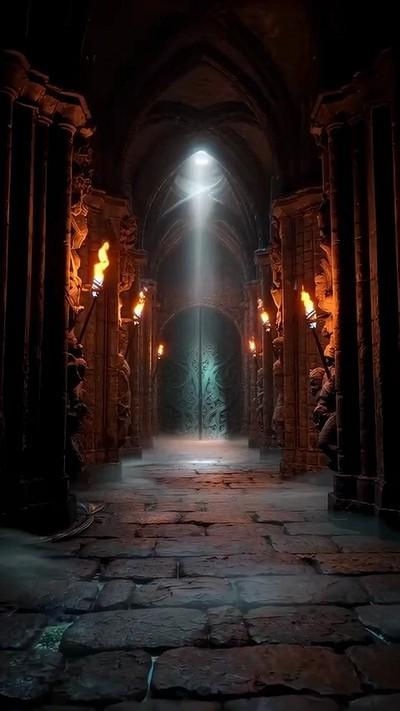
Symbolic Shadows in Literature: A Closer Look
Shadows appear throughout literature in a variety of forms, but when stories explore betrayal, they often serve a deeper symbolic purpose. Authors use shadow imagery to create tension, reveal hidden truths, and prepare readers for dramatic revelations long before they occur.
Foreshadowing
One of the most common uses of shadows is foreshadowing. Long before a betrayal is revealed, authors may use darkness, distorted silhouettes, or lingering shadow imagery to suggest that something is not quite right. These subtle details create an undercurrent of unease, warning readers that danger may be approaching even when the characters remain unaware.
Mood and Atmosphere
Shadows are also powerful tools for establishing mood. As trust begins to fracture and secrets accumulate, the setting itself often reflects the growing tension. Dim corridors, moonlit forests, and darkened chambers can create a sense of uncertainty that mirrors the emotional state of the characters. This atmosphere heightens the impact when betrayal finally comes to light.
Symbol of Guilt
After an act of betrayal, shadows frequently become symbols of guilt and remorse. Characters may find themselves haunted by the consequences of their actions, unable to escape the choices they have made. In these moments, shadow imagery serves as a reminder that some deeds leave lasting marks upon the conscience.
Visual Metaphor for Deception
Perhaps most importantly, shadows embody deception itself. They conceal details, distort appearances, and prevent others from seeing the complete truth. Much like lies and hidden agendas, shadows obscure reality until circumstances force what has been hidden into the light. This makes them one of literature’s most effective symbols for betrayal and deceit.
Examples from Fantasy Fiction
Throughout fantasy literature, shadows often serve as more than simple symbols. They can become powerful narrative tools that represent corruption, hidden motives, forbidden knowledge, and the ever-present danger of betrayal. Whether appearing through dark magic, secret conspiracies, or characters struggling with their own inner conflicts, shadows frequently remind readers that not every threat is immediately visible.
In the world of Vacari, shadows carry a particularly important role in the unfolding of many stories. They are often linked to deception, concealed ambitions, and the choices that lead individuals down dangerous paths. Throughout the series, characters must navigate a world where trust is fragile and hidden agendas can alter the fate of entire kingdoms.
These themes are especially prominent in Shadows Unveiled and Shadows of Betrayal, where secrets, divided loyalties, and acts of treachery shape the course of events. In these stories, darkness is rarely just a setting detail. It serves as a reflection of the uncertainty surrounding those who hide their true intentions and the consequences that follow when betrayal is finally revealed.
Through symbolism, atmosphere, and character development, shadows become a powerful reminder that the greatest dangers are not always found on the battlefield. Sometimes they exist within the hearts of those we trust most.

How to Spot Symbolic Shadows in Your Favorite Fantasy Books
Once you begin recognizing symbolic shadows in literature, you'll discover that they often reveal far more than atmosphere alone. Authors frequently use shadow imagery to hint at hidden truths, foreshadow conflict, and deepen the emotional impact of important moments.
Here are a few ways to identify symbolic shadows while reading fantasy fiction:
Pay attention to descriptions of light and dark.
When an author repeatedly emphasizes shadows, darkness, or the contrast between light and dark, there is often a deeper purpose behind the imagery. These descriptions may serve as clues to hidden dangers, concealed motives, or approaching conflict.
Watch for Changes During Key Moments
Shadow imagery often becomes more prominent during moments of tension or uncertainty. If darkness seems to gather around a character, location, or important event, it may signal that a significant revelation or betrayal is approaching.
Look for Hidden Figures and Isolated Places
Shadowed corridors, abandoned ruins, secluded forests, and mysterious figures lurking beyond sight frequently symbolize secrets waiting to be uncovered. These elements often create anticipation and reinforce themes of deception and uncertainty.
Consider the Atmosphere
Authors use shadows to establish mood as much as symbolism. A growing sense of unease, foreboding, or suspense may indicate that the story is building toward a moment where trust will be tested or truths will be revealed.
Reflect on Character Emotions
Shadows can also mirror a character's internal struggles. Feelings such as guilt, fear, resentment, or doubt are often reinforced through imagery that emphasizes darkness, obscured details, or shifting light.
By paying attention to these details, readers can gain a deeper appreciation for the ways authors use symbolism to enrich their stories. What may initially appear to be a simple description of a setting often carries a deeper meaning, revealing clues about characters, conflicts, and the hidden forces shaping the narrative.
Why Shadows Make Betrayal So Powerful
Few experiences in fiction resonate as strongly as betrayal because it strikes at the foundation of trust. Readers invest in relationships, alliances, and friendships, only to discover that those bonds were not as secure as they appeared. Shadows symbolize this uncertainty perfectly, representing the hidden spaces where secrets grow and loyalties begin to fracture.
Several qualities make shadows particularly effective symbols of betrayal:
They’re intangible but impactful.
A shadow cannot be touched, yet its presence can dramatically alter how we perceive the world around us. Betrayal often works in much the same way. Hidden motives may remain unseen for much of a story, but their influence shapes events long before the truth is revealed.
They create fear and uncertainty.
Shadows obscure details and leave room for doubt. Readers, like characters, begin to question what is real and whom they can trust. This uncertainty heightens tension and makes the eventual revelation of betrayal even more impactful.
They represent the unknown.
Many betrayals originate from motives that remain hidden until a critical moment. Ambition, resentment, jealousy, or the pursuit of power often develop unseen, much like dangers concealed beyond the reach of light.
They highlight contrast.
Light and darkness exist in constant opposition, just as loyalty and betrayal often define one another. The strength of trust becomes most apparent when it is broken, and the value of honesty becomes clearest when deception is exposed.
For these reasons, shadows remain one of literature's most enduring symbols of betrayal. They remind readers that the greatest dangers are not always visible and that the most devastating betrayals often emerge from places where trust once seemed strongest.
Bringing Shadows into Your Own Writing
For writers, shadows offer far more than atmospheric detail. When used intentionally, they can become powerful storytelling tools that reinforce theme, reveal character, and strengthen emotional impact. Whether writing epic fantasy, dark fantasy, or any story that explores trust and deception, symbolic shadows can add depth and meaning to key scenes.
Here are a few ways to incorporate shadow symbolism into your own writing:
Use shadows to foreshadow betrayal.
Subtle references to darkness, obscured figures, or shifting shadows can hint that something is not quite right. These details create anticipation and prepare readers for future revelations without revealing too much too soon.
Reflect emotional conflict.
Shadow imagery can mirror a character's internal struggles. Fear, guilt, doubt, resentment, or temptation can all be reinforced through descriptions that emphasize darkness, concealment, or fading light.
Create Meaningful Settings
Locations play an important role in storytelling. Ancient forests, forgotten ruins, dimly lit corridors, and moonlit landscapes can all enhance themes of secrecy, uncertainty, and betrayal while strengthening the atmosphere of a scene.
Use Imagery Purposefully
Consider how shadows behave within a scene. A distorted silhouette, a darkened reflection, or an area concealed from view can reinforce themes of deception and hidden truths. Symbolism is often most effective when it feels natural rather than forced.
Balance light and shadow.
Some of the strongest symbolism emerges through contrast. Loyalty and betrayal, hope and despair, truth and deception all become more impactful when represented through opposing imagery. The interplay between light and darkness can add an additional layer of meaning to important moments within a story.
When used thoughtfully, shadows become more than descriptions of a setting. They help communicate emotion, reinforce themes, and reveal truths that characters may not yet be ready to confront. In stories where trust is tested and secrets lie waiting beneath the surface, symbolic shadows can become one of a writer's most effective tools.
Embracing the Shadows: What Betrayal Teaches Us
Betrayal remains one of literature's most powerful themes because it challenges our understanding of trust, loyalty, and human nature. Whether it unfolds between friends, allies, rulers, or entire kingdoms, betrayal forces characters to confront difficult truths about themselves and those around them.
The symbolism of shadows enhances these stories by reminding us that not everything is immediately visible. Hidden motives, secret ambitions, and concealed fears often linger beneath the surface long before they are revealed. Through shadow imagery, authors create layers of meaning that deepen both character development and emotional impact.
Yet shadows do more than represent deception. They also symbolize discovery. Many of literature's most compelling journeys begin when hidden truths are brought into the light, allowing characters to grow, rebuild trust, and face challenges with a greater understanding of themselves and others.
Whether you're exploring a fantasy world filled with ancient magic or crafting stories of your own, paying attention to symbolic shadows can reveal a deeper appreciation for the themes woven throughout a narrative. They remind us that every story contains mysteries waiting to be uncovered and that even in moments of darkness, there is meaning to be found.
After all, some of the most memorable stories are not simply about the battles fought in the open, but about the secrets that linger unseen until the truth can no longer remain hidden.
If you enjoyed this exploration of symbolic shadows in literature, keep an eye out for more discussions on fantasy storytelling, worldbuilding, and the themes woven throughout the world of Vacari. From ancient dragons and forgotten legends to secrets hidden within the darkness, there is always another tale waiting to be discovered.


Comments